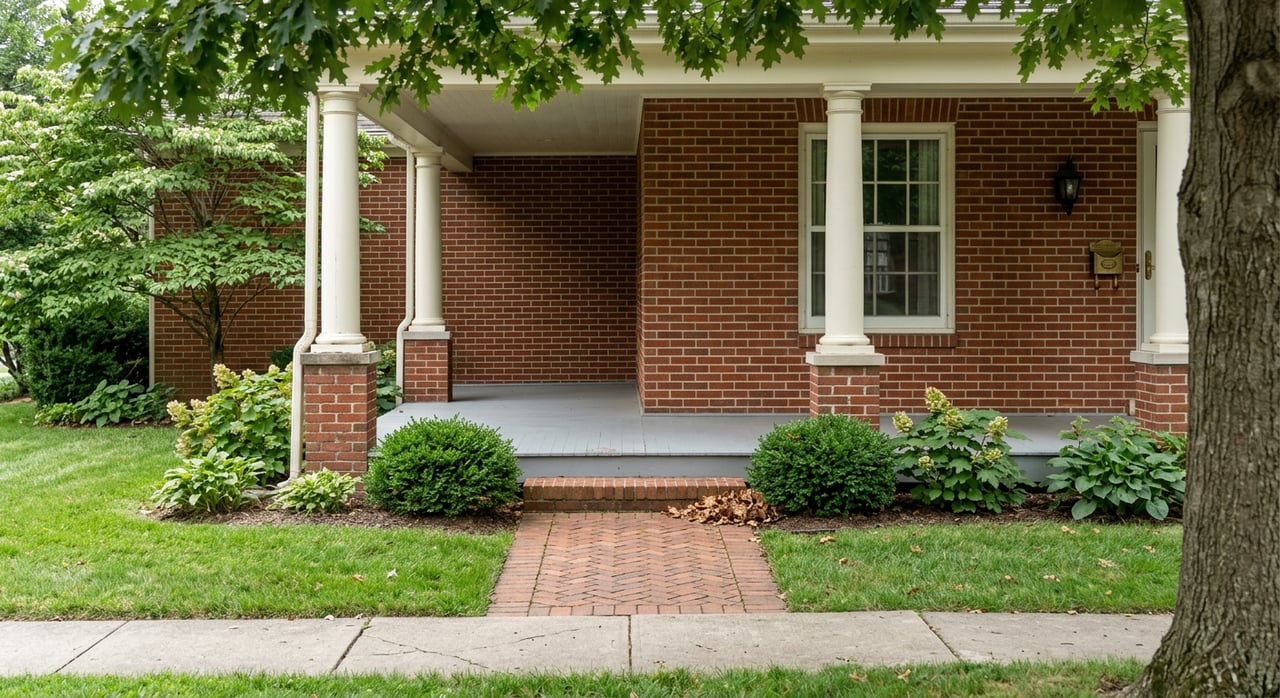
Ever picture yourself walking past ornate porches and turreted roofs on your way to coffee or a riverfront view? If so, Parkersburg’s historic neighborhoods might be your sweet spot. You want charm, a sense of place, and everyday convenience without giving up modern comfort. In this guide, you’ll learn where to focus your search, what the architecture looks like, how walkable daily life can be, and the practical steps for owning and improving an older home. Let’s dive in.
Historic districts at a glance
Parkersburg features several National Register of Historic Places districts with strong residential character. The two most popular for homebuyers are Julia-Ann Square and the Avery Street Historic District. These areas cluster late 19th and early 20th century homes with distinctive architectural styles and period details. You’ll also find the Parkersburg High School–Washington Avenue area and a newly listed Downtown Parkersburg district, which was recognized in November 2023 to support reinvestment and access to rehabilitation incentives. For background on the new listing and its goals, see recent local coverage of the Downtown Parkersburg National Register recognition.
Julia-Ann Square highlights
Centered along Juliana and Ann Streets, Julia-Ann Square is a showcase of late-Victorian homes, many with deep porches, intricate millwork, and stained glass. The official nomination form documents the area’s architectural concentration and period of significance. If you want a deep dive into boundaries, styles, and contributing properties, review the Julia-Ann Square Historic District nomination.
Avery Street highlights
Avery Street covers a larger swath of residential blocks and presents a broader mix of styles. You’ll see Queen Anne and Italianate houses, plus early 20th century foursquares, Colonial Revival, Craftsman bungalows, and Tudor/Jacobethan revival examples. The district’s nomination form is the best reference for what you’ll find on each street. Explore the Avery Street Historic District nomination.
Washington Avenue and downtown context
The Parkersburg High School–Washington Avenue area links a historic civic campus with surrounding residential fabric, known for period street features and classic homes. Downtown’s National Register recognition supports preservation-minded reinvestment, which can ripple into nearby neighborhoods through incentives and renewed interest. Together, these districts create a walkable core with architecture, culture, and history in easy reach.
Architecture and style guide
If you love variety, these neighborhoods deliver. According to the district nominations, you’ll see:
- Queen Anne and Second Empire forms with turrets, bay windows, and complex rooflines.
- Italianate and Gothic Revival details like bracketed cornices and pointed arches.
- Colonial and Neoclassical symmetry along with early 20th century foursquares.
- Craftsman and Bungalow homes with broad front porches and tapered columns.
Many houses are two to two-and-a-half stories, in wood or masonry, and sit on traditional city lots with sidewalks and street trees. Within a few blocks, you can move from exuberant Victorian detail to calmer early 20th century forms, which makes strolling these neighborhoods a visual treat.
Walkability and everyday life
Historic homes here are closer to the city’s core, which boosts walkability. A location near 9th and Juliana registers a Walk Score in the high 60s, or “Somewhat Walkable,” meaning many errands can be done on foot and transit or biking can fill the gaps. Check the Walk Score near 9th and Juliana to get a feel for nearby options.
When you head out your front door, you can reach downtown shops and cultural venues, along with riverfront attractions. Local highlights include Blennerhassett Island Historic State Park, the Blennerhassett Museum, Fort Boreman Historic Park with its overlook and trails, and performance venues like the Smoot Theatre. Browse the area’s parks and attractions through the Greater Parkersburg visitor guide.
What ownership of an older home means
Older homes shine because of their materials and craftsmanship. They also come with predictable maintenance needs. Planning ahead will help you enjoy the character while staying on top of care.
Common upgrades and care
Homes built roughly between 1875 and 1930 often need attention to roofs, porches, and foundations. You may encounter older electrical systems and plumbing that call for updates, along with heating and cooling replacements over time. For energy efficiency, focus on insulation, weatherization, and well-fitted storm windows so you preserve original windows and trim. The National Park Service offers practical guidance on energy upgrades and preservation standards on its preservation by topic page.
Health and safety basics
If a home was painted before 1978, assume lead-based paint may be present. During renovations, you should follow federal rules for disclosure and safe work, and consider a lead risk assessment before purchase. Learn the basics from the EPA’s overview of the Residential Lead-Based Paint Hazard Reduction Act (Title X).
Rules, permits, and design review
A key point many buyers miss: National Register listing by itself does not stop you from repairing or changing private property. Restrictions usually come from local ordinances or when you use state or federal preservation funds. Parkersburg’s comprehensive plan notes that districts like Julia-Ann Square and the Parkersburg High School–Washington Avenue area have local review procedures, so it is smart to confirm what applies before exterior work. You can read about the city’s preservation framework in the City of Parkersburg Comprehensive Plan.
If you are in a National Register district, you may be eligible for grants or tax incentives to help with rehabilitation. Local reporting underscores that NRHP listing opens doors to incentives but does not automatically prevent repairs. For recent context, see the news coverage of downtown’s National Register listing. Always double-check current rules with the City Planning/Building Department and the Wood County Historic Landmarks Commission before starting work.
Incentives and smarter financing
West Virginia historic tax credits
West Virginia offers Historic Rehabilitation Tax Credits with guidance for both homeowners and income-producing properties. Credits can reduce the net cost of approved work, but you must follow a multi-part application and review process. Visit the State Historic Preservation Office for forms, checklists, and the application portal on the WV SHPO tax credits page. Applying early and coordinating with your contractor will keep your project on track.
Federal credit basics
Federal historic tax credits primarily apply to income-producing properties and generally require work to meet the Secretary of the Interior’s Standards. These credits can be valuable on large rehabs when you plan the scope and documentation from the start.
Renovation mortgages
If you want to finance purchase and repairs together, consider a renovation mortgage. The FHA 203(k) program allows you to wrap approved rehab costs into one loan, with draws paid to contractors as work is completed. Review the consumer overview of FHA 203(k) renovation loans and speak with lenders experienced in this product. Many buyers also explore conventional renovation loans; a knowledgeable lender can explain current options and requirements.
Insurance for character homes
Some insurers use special guidelines for older homes, especially if original systems are still in place. It is smart to request quotes early, ask about replacement cost, code-upgrade coverage, and any upgrades an insurer may require. Clarifying expectations upfront helps you budget and avoid delays at closing.
Choosing contractors and preserving character
If you want to keep the charm that drew you to the home, plan your project with preservation best practices in mind:
- Document existing conditions with photos before work begins.
- Discuss your plans with the SHPO early if you intend to pursue tax credits.
- Hire contractors who work with historic materials and can follow the Secretary of the Interior’s Standards.
- Use the NPS preservation briefs for technical guidance on windows, insulation, and exterior details. Start with the NPS preservation by topic resources.
Buyer checklist: first steps
Use this quick list to move from browsing to confident action:
- Schedule a full home inspection and consider a lead risk assessment for any pre-1978 home. See the EPA’s Title X overview.
- Confirm local permit and design-review steps with the City. If you want tax credits, contact the SHPO early via the WV SHPO tax credits page.
- Get written contractor bids and talk with lenders about renovation financing. Read HUD’s guide to FHA 203(k) loans.
- Request homeowners insurance quotes early and ask about any required system updates.
Is a Parkersburg historic home right for you?
If you value porch conversations, walkable blocks, and the craftsmanship of an earlier era, Parkersburg’s historic districts deserve a spot at the top of your list. You will trade some weekend projects and thoughtful planning for that character, but incentives and smart financing can help. With the right team and a clear plan, you can protect the home’s story while making it yours.
Curious which streets or house styles fit your goals and budget? Let’s explore them together. Connect with the local team at Impact Realty Group to map your next steps.
FAQs
Are Parkersburg’s historic neighborhoods walkable?
- Yes. Locations near Julia-Ann and downtown show higher walkability than the city average, with a Walk Score in the high 60s near 9th and Juliana placing many errands within reach on foot.
What repairs should I expect in an older Parkersburg home?
- Plan for roofing, porch, and foundation maintenance, plus updates to electrical, plumbing, and HVAC; follow NPS preservation guidance to improve efficiency without losing historic character.
Do historic districts in Parkersburg restrict renovations?
- Not automatically. National Register listing is honorary at the federal level; local ordinances or use of state/federal funds can trigger design review, so confirm steps with the City and SHPO.
Are there tax credits for Parkersburg homeowners in historic districts?
- West Virginia offers historic rehabilitation tax credits with a multi-part application; eligibility and scope depend on your project, so contact the SHPO early for guidance and forms.
How can I finance renovations on a historic home purchase?
- Consider renovation mortgages like FHA 203(k), which combine purchase and rehab into one loan with staged draws to contractors; consult an experienced local lender for details.