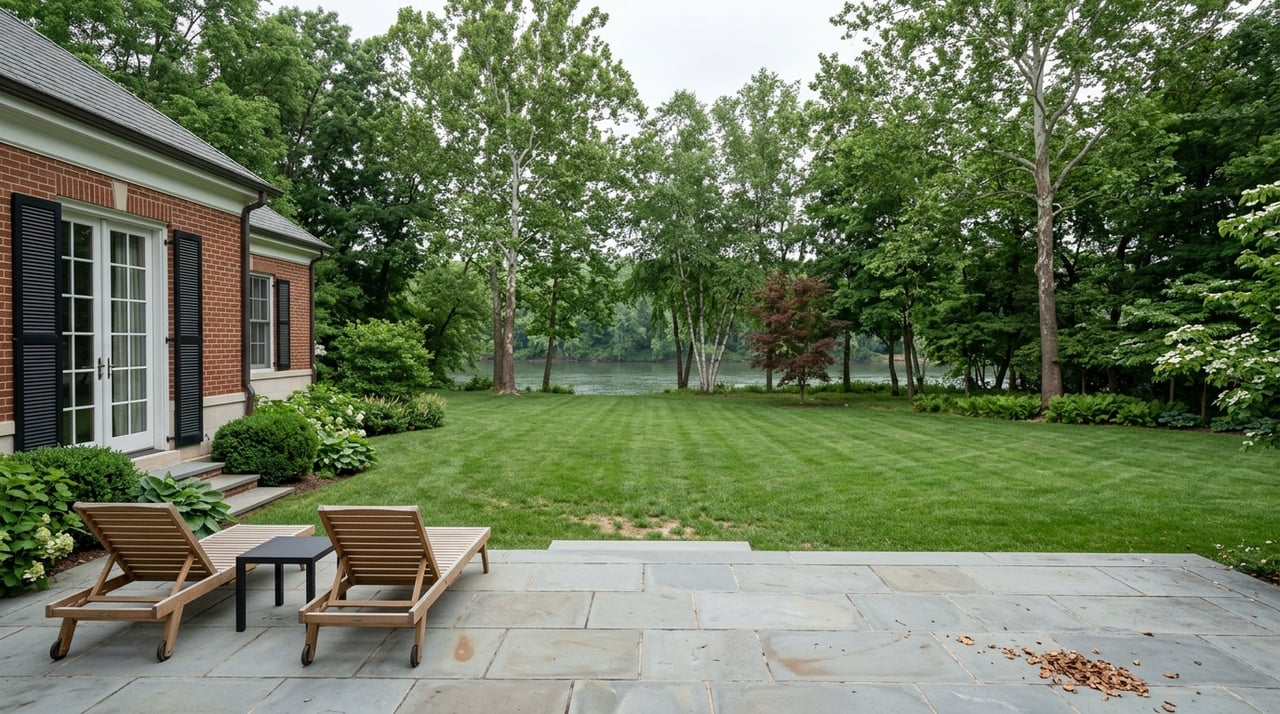
If you love the idea of living near the water without giving up an in-town lifestyle, Huntington offers a surprisingly varied riverfront experience. You may be picturing a single type of home or one defined district, but riverfront living here can mean anything from a historic house in Guyandotte to a loft-style unit near downtown. In this guide, you’ll get a practical look at what riverfront living in Huntington, WV really feels like, what kinds of homes you may find, and what to check before you buy. Let’s dive in.
What Riverfront Living Means in Huntington
Huntington sits on the Ohio River where West Virginia, Ohio, and Kentucky meet. That setting gives the city a river-oriented identity, but the lifestyle is centered in a fairly compact area rather than spread across miles of waterfront development.
In practical terms, most buyers looking for riverfront living in Huntington start by comparing downtown, Guyandotte, Altizer, and nearby river-adjacent streets. City planning materials describe Guyandotte and Altizer as some of Huntington’s oldest areas, with mostly single-family homes and limited commercial uses, while downtown developed as a commercial and civic core.
That mix matters because your experience can vary a lot from one area to the next. If you want walkable amenities and event access, downtown may feel like the better fit. If you want an older residential setting with more detached homes, Guyandotte or other nearby neighborhoods may be worth a closer look.
Riverfront Neighborhood Character
Downtown Huntington
Downtown gives you the most compact version of Huntington’s riverfront lifestyle. The area blends commercial buildings, public spaces, historic architecture, dining, entertainment, and residential options in and near the core.
The downtown historic district adds much of the area’s visual identity. According to the state preservation plan, the Downtown Huntington Historic District includes more than 112 buildings, with architecture ranging from Gothic Revival to Art Deco and landmarks such as the Cabell County Courthouse, Keith Albee Theater, Carnegie Public Library, and Campbell-Hicks House.
If your goal is to be near parks, events, and everyday activity, downtown often delivers that best. It is also where you will find easy access to Harris Riverfront Park, Heritage Station, and Pullman Square.
Guyandotte
Guyandotte offers a different kind of river-adjacent appeal. It is one of Huntington’s oldest neighborhoods, and its housing stock reflects that long history.
Research on the area points to mid-19th-century structures and some of the oldest surviving buildings in Cabell County. For you as a buyer, that can mean more architectural character, smaller older homes, and a neighborhood feel that is distinct from the downtown core.
If you are drawn to older single-family homes and a more residential pace, Guyandotte may stand out. At the same time, older homes may require more careful review of condition, updates, and any historic considerations.
Altizer and Nearby Streets
Altizer is also identified by the city as one of Huntington’s older neighborhoods, with mostly single-family housing and limited commercial uses. For some buyers, that can be appealing because it offers a more residential setting while still connecting to the broader river-city identity.
This area may suit you if you want proximity to Huntington’s river setting without focusing as heavily on the downtown social scene. As always, the specific block, home condition, and access points matter more than a broad label alone.
Homes You May Find Near the River
One of the biggest misconceptions about riverfront living in Huntington is that it points to a single home style or price tier. In reality, the housing mix is broad.
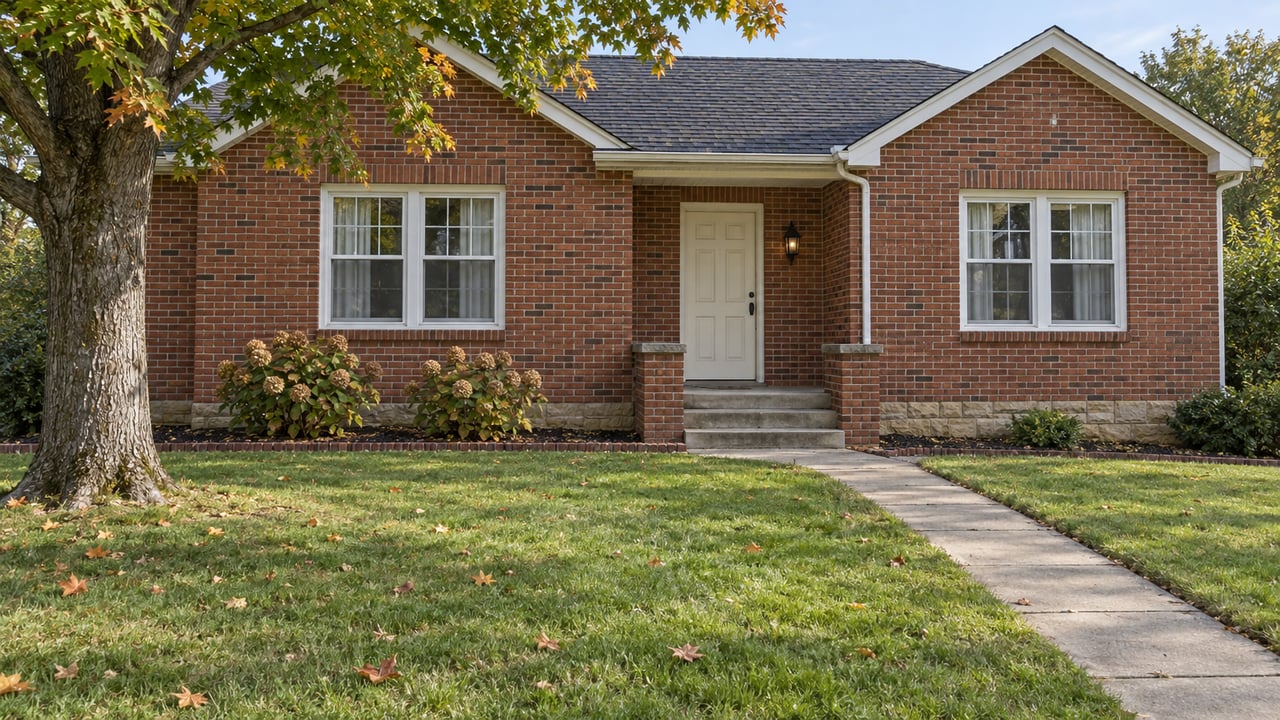
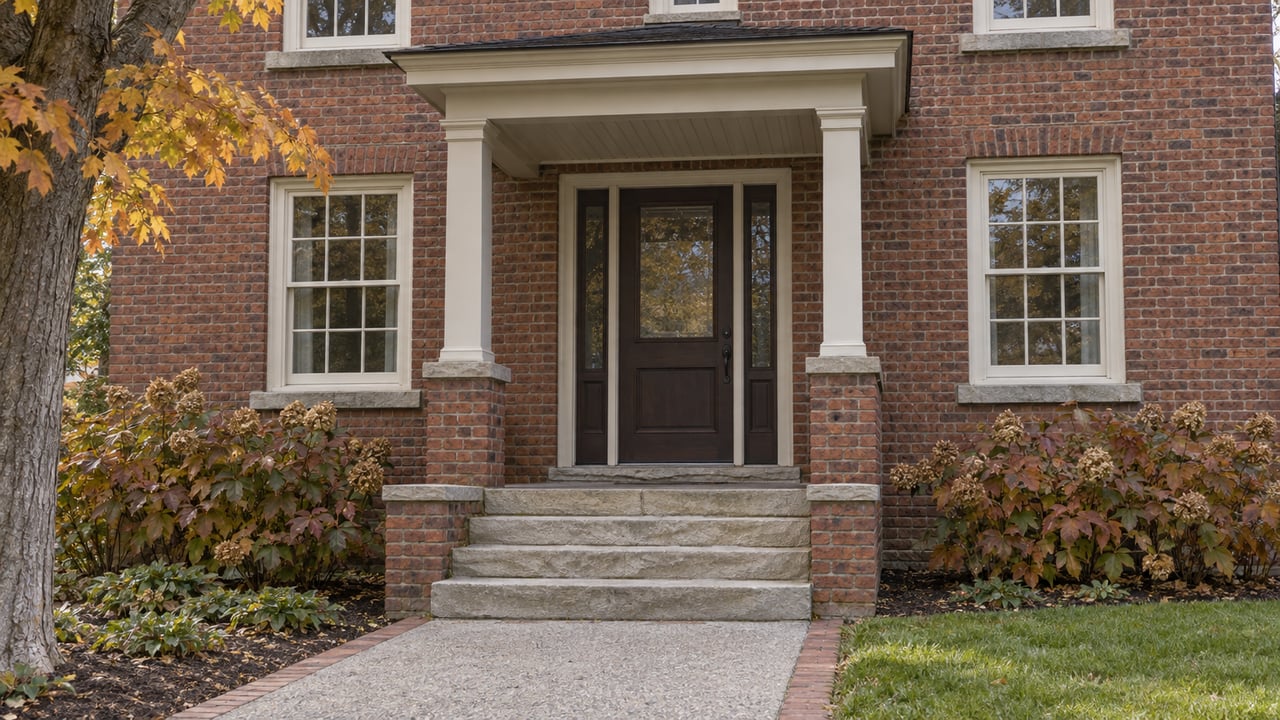
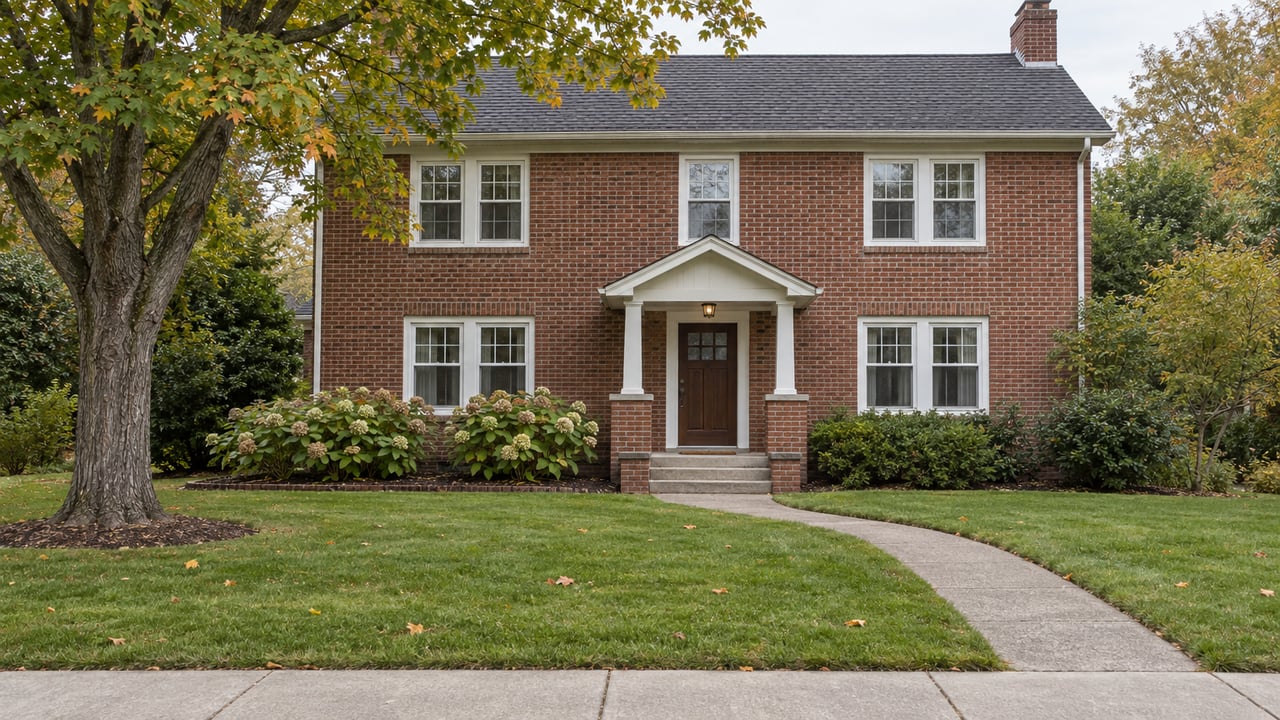
River-adjacent housing can include historic detached homes, cottages, mixed-use buildings, and condo- or loft-style units near downtown. That variety is one reason prices can differ so sharply from one property to another.
Recent downtown-area sales show that spread clearly. Examples from the research report include sales at $99,900, $121,000, $182,500, and $449,000, all within the downtown orbit.
For you, the key takeaway is simple: price is shaped less by the river alone and more by the property itself. Building type, age, condition, updates, and exact location usually matter more than a general riverfront label.
Huntington Riverfront Home Prices
It helps to look beyond a citywide average when you are comparing riverfront options. Recent snapshots in the research report show that downtown, historic downtown, and Guyandotte can post very different median prices over short periods, especially when the number of sales is limited.
The report notes recent median figures of $61,000 for Downtown Huntington over the last three months, $275,000 for Historic Downtown Huntington over the last three months, and $23,000 for Guyandotte last month. Citywide, Huntington’s median sale price was $144,450 in March 2026, while Cabell County’s median was $171,521 in April 2026.
Those numbers are useful as a starting point, but they should not be treated as a shortcut. In a market where sales volume can be thin by neighborhood, one or two unusual transactions can shift the median quickly.
A better approach is to compare recent sales in the exact pocket you want, then narrow further by home type and condition. That can give you a clearer picture of value than a single citywide number.
What Daily Life Feels Like
Parks and Outdoor Time
Harris Riverfront Park is the anchor of Huntington’s riverfront lifestyle. The Huntington Area Convention and Visitors Bureau describes it as the city’s premier waterfront park, with a waterfront amphitheater, playground, part of the Paul Ambrose Trail for Health, the Chuck Ripper Trail, and free WiFi.
If you want a home base that makes it easy to get outside, attend public events, or enjoy the river setting, this park is a major draw. It is also a practical marker for buyers who want to be close to the most active part of the waterfront.
Ritter Park is not on the river, but it is often part of the same in-town lifestyle conversation. The city highlights its walking trail, rose garden, playground, dog park, and tennis courts, making it another strong everyday amenity for buyers who want green space nearby.
Walkability and In-Town Convenience
Downtown Huntington supports a mostly walkable rhythm, especially in the core. Heritage Station, a former Baltimore & Ohio passenger station, now serves as a mixed-use destination with retail and nightlife uses such as a bakery, yoga studio, vintage clothing store, wine bar, and craft beer tavern.
Pullman Square adds another major concentration of shopping, dining, and entertainment. The city also notes the downtown PODA, which allows to-go drinks in approved cups during set hours, reinforcing the pedestrian-friendly feel in the core.
If your ideal lifestyle includes leaving the car parked for parts of the day, the downtown riverfront cluster may be your best fit. If you prefer a quieter residential setting, nearby older neighborhoods may offer a better balance.
Events and Community Activity
The riverfront is not just scenic. It also stays active through public events and recurring gatherings.
Harris Riverfront Park hosts events such as the annual Rails & Ales Festival, and Pullman Square hosts major downtown events like the WV Hot Dog Festival. The event calendar also shows other public programming at the riverfront park, which helps explain why this part of Huntington feels social as well as residential.
For you, that can be a plus if you enjoy energy and activity close to home. It may also be something to think through carefully if you want a quieter environment on weekends or during special events.
Important Things to Check Before Buying
Flood Risk Comes First
If you are considering a riverfront or river-adjacent home in Huntington, flood due diligence should be one of your first steps. The city says the 1937 flood led to the floodwall system, but tributary areas can still flood.
Huntington’s floodplain information states that about 400 properties are within a designated floodplain. The city also notes that development in those areas requires a Floodplain Permit and an elevation certificate.
The smartest move is to check flood zone status early by address. That can help you understand whether the property sits in a higher-risk area before you get too far into the process.
Historic Rules May Affect Updates
Some riverfront and near-river homes sit in older or historic areas, which can affect exterior changes. The city says the Historic Preservation Commission reviews alterations on historic homes and creates historic preservation districts.
That does not mean you should avoid older homes. It simply means you should confirm early whether your renovation plans could be subject to local review.
If you love historic architecture, this step is especially important. It helps you match your goals with the realities of ownership before you commit.
Micro-Location Matters
In Huntington’s riverfront market, small geographic differences can create very different experiences. One block may feel tied to downtown events and walkability, while another may feel more residential and quiet.
That is why it helps to compare not just neighborhoods, but specific streets and property types. A condo-style unit near the downtown core will usually offer a very different lifestyle than an older detached home in Guyandotte.
How To Start Your Search
If you are just beginning, keep your search focused on lifestyle first and price second. That makes it easier to rule in the areas that fit how you actually want to live.
A simple starting plan looks like this:
- Tour the downtown riverfront cluster around Harris Riverfront Park, Heritage Station, and Pullman Square
- Compare that experience with older single-family areas such as Guyandotte
- Review recent sales in the exact neighborhood, not just Huntington overall
- Check flood zone status early for any property you are serious about
- Ask about historic district or exterior review rules before planning changes
This kind of side-by-side comparison can save you time and help you avoid assumptions. In a market as varied as Huntington’s riverfront, clarity comes from looking closely at the details.
Whether you are drawn to a walkable downtown lifestyle, a historic home with character, or a residential pocket near the river, the right fit starts with local insight and careful property-by-property review. If you are ready to explore Huntington’s riverfront neighborhoods or want help understanding what today’s prices mean in specific areas, connect with Impact Realty Group for personalized guidance.
FAQs
What does riverfront living in Huntington, WV usually include?
- Riverfront living in Huntington can include downtown condo- or loft-style homes, mixed-use buildings, historic detached houses, cottages, and older single-family homes in neighborhoods like Guyandotte and Altizer.
What is the lifestyle like near downtown Huntington’s riverfront?
- The downtown riverfront area offers access to Harris Riverfront Park, Heritage Station, Pullman Square, public events, dining, entertainment, and a more walkable daily routine than many other parts of the city.
Are Huntington riverfront home prices all in the same range?
- No. The research report shows a wide range, and prices are influenced more by building type, condition, age, and exact location than by river proximity alone.
What should buyers check before buying a river-adjacent home in Huntington?
- Buyers should review recent neighborhood-level sales, check flood zone status early, and confirm whether any historic preservation rules may affect exterior changes.
Is flood risk an important issue for Huntington riverfront homes?
- Yes. The city says about 400 properties are in a designated floodplain, and some tributary areas can still flood, so flood due diligence should be part of your early home search process.
Which Huntington areas should buyers compare for riverfront living?
- A practical starting point is to compare the downtown riverfront cluster with older neighborhoods such as Guyandotte and Altizer, then narrow your search by specific streets, home types, and lifestyle goals.