Thinking about selling your home in Charleston and wondering what price will attract real buyers right now? You are not alone. Pricing has never mattered more, and small missteps can cost you time and money. In this guide, you will learn how to read local signals, pick the right comparable sales, make smart adjustments, and choose a pricing strategy that fits your goals. Let’s dive in.
Understand the Charleston market
What to watch
Your price should reflect what the market is doing today. Focus on these signals:
- Active inventory and months of supply to gauge buyer or seller leverage.
- Closed sales from the past 30 to 180 days to set your baseline.
- Days on market and list-to-sale price ratio to spot overpricing or strong demand.
- New listings and pending sales to see where momentum is headed.
- Mortgage rates to understand buyer purchasing power.
- Local employment and population trends for longer-term context.
Where to find reliable data
For the most accurate picture, use Charleston-area MLS data through a local REALTOR or MLS subscriber. Cross-check property details and sale dates with Kanawha County assessor and property records. State-level market overviews from West Virginia REALTORS add context. For broader trends, reference national mortgage rate trackers and federal data on employment and population. Your MLS report should be your primary source for comps and days on market.
How to read the signals
Start with recent closed sales within the last 90 days when possible. In fast-changing conditions, the most recent data carries the most weight. Watch months of supply by price tier, since higher-priced homes may move slower. Compare list-to-sale ratios and average days on market for the Charleston city core versus nearby Kanawha County neighborhoods. Micro-markets like South Hills, East End, and North Side can behave differently, so keep location context tight.
Build your pricing baseline
Pull the right comps
Base your price on comparable sales that closed in the past 3 to 6 months. If activity is thin and the market is stable, extend to 6 to 12 months. Aim for 5 to 10 closed comps plus a few active and pending listings for context. Closed sales are your value anchors. Actives show your competition. Pendings tell you where buyers are saying yes right now.
Choose the right radius
In urban Charleston neighborhoods, start within a 0.5 to 1-mile radius. For unique homes or areas with fewer sales, expand to similar neighborhoods within 2 to 3 miles. Keep neighborhood boundaries in mind. A home in South Hills may not compare cleanly to one in the East End. Match school zones and community features neutrally and factually when possible.
Match key home features
Choose comps that align with:
- Property type and size, including finished square feet.
- Bed and bath count.
- Lot size, garage, and basement finish.
- Age, updates, and condition, such as renovated kitchens or newer roofs and HVAC.
Avoid using expired or withdrawn listings as primary comps. Pending sales can help with trend direction but should not replace closed sales.
Adjust your comps like a pro
Use price per square foot
Start by calculating price per finished square foot for each comp. Price per sqft equals sale price divided by finished square feet. This gives you a baseline to compare homes of different sizes.
Make practical adjustments
Adjust comps up or down for differences that buyers value. Common items include:
- Size: smaller homes often sell for a higher price per sqft than larger homes.
- Beds and baths: a full bath can make a material difference.
- Condition: updated kitchens, baths, and major systems often drive the largest adjustments.
- Garage, finished basement, lot size, and views: adjust based on local norms.
If you are unsure about exact dollar amounts, lean on a locally experienced agent or appraiser to quantify typical ranges.
Adjust for time
If a comp closed several months ago and the market has changed, apply a time adjustment that reflects recent pricing trends. Use month-over-month direction in Charleston to nudge older comps up or down. The more recent the sale, the less you need to adjust.
Show a price range
Adjustment science is not perfect. Present a range of probable values rather than one number. For example:
- Low estimate: aggressive pricing to attract attention fast.
- Mid estimate: most likely market value.
- High estimate: conservative maximum that may stretch time on market.
This range helps you balance speed versus net proceeds and sets clear expectations.
Pick a pricing strategy
Market price
List at your CMA’s estimated market value when you want a strong balance of time on market and final price. This strategy attracts serious buyers and reduces the need for early price cuts.
Slight underpricing
Listing just below market can draw a larger buyer pool and spark competition when inventory is tight. This can work well in Charleston submarkets where pending sales are moving quickly and list-to-sale ratios are high.
Round number anchoring
Positioning just under a round-number threshold can capture more search traffic, such as 299,900 instead of 300,000. Its effectiveness depends on how buyers filter searches in your price band. Use this tactic only if it aligns with your CMA range.
Premium pricing risks
Testing the market above your CMA range usually leads to longer days on market and price reductions. Overpricing can shrink your audience, reduce urgency, and sometimes result in a lower final sale price.
Support your price with prep
Fix first things first
Address safety and system issues that can derail appraisals and inspections. Focus on the roof, HVAC, electrical, plumbing, and moisture control. Provide receipts and documentation for major repairs.
Smart cosmetic refresh
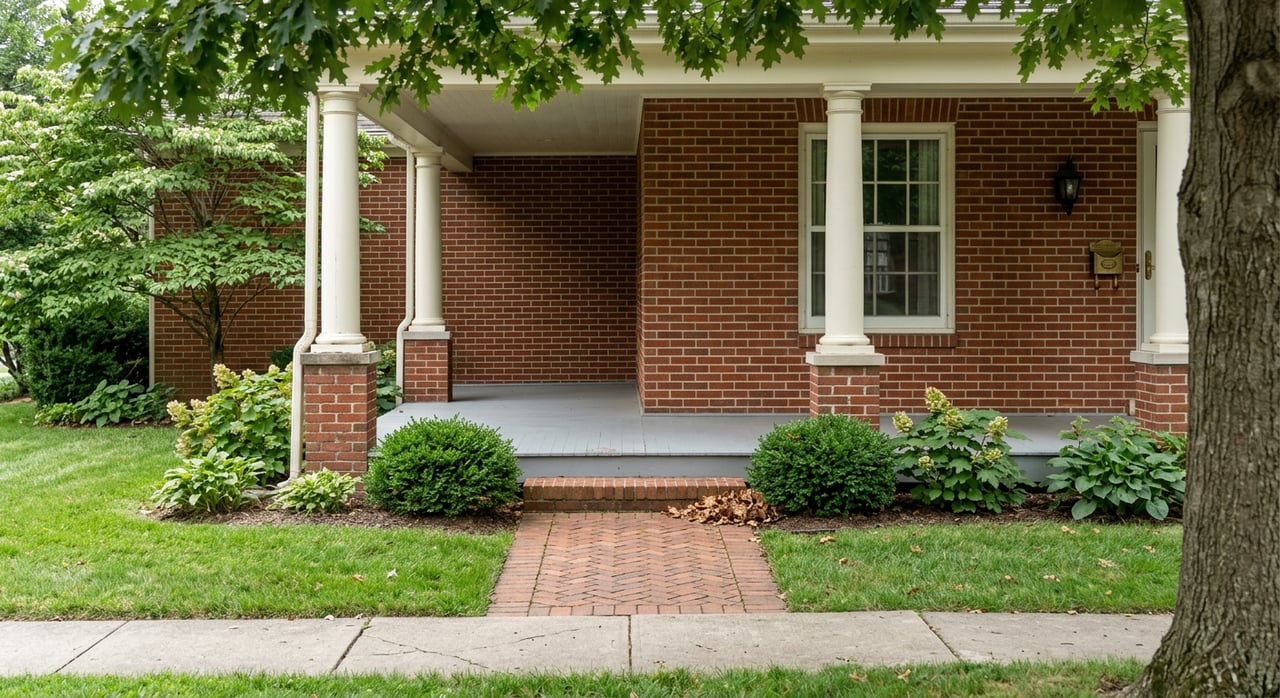
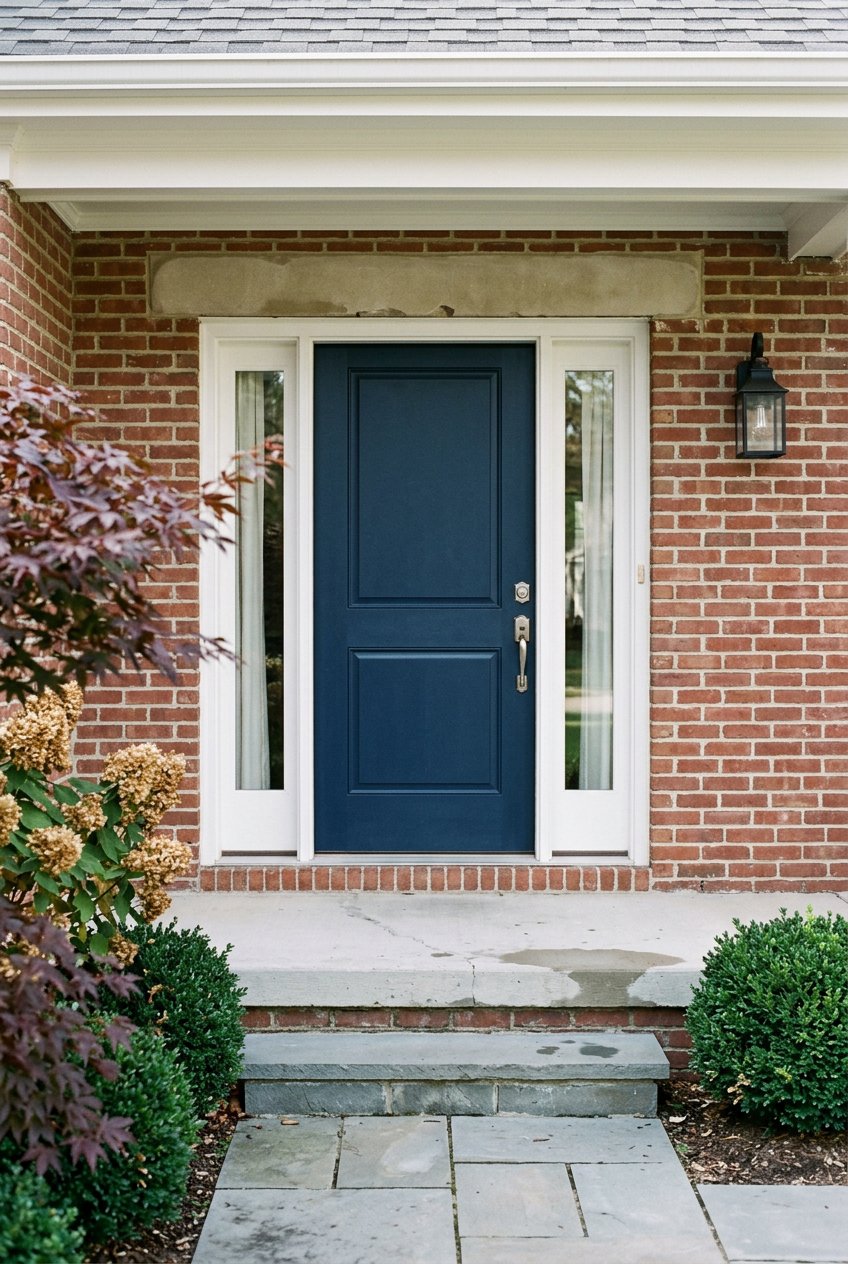
Target high-visibility updates that improve perceived value: fresh neutral paint, updated lighting, minor kitchen and bath refreshes, and curb appeal touch-ups like landscaping and gutters. These relatively small improvements can help justify your target price.
Staging and documentation
De-personalize and stage key rooms to help buyers see the space. A simple staging plan can shorten days on market. Prepare an upgrades list with dates and warranties, which supports appraisals and gives buyers confidence in your price.
When to get a professional valuation
CMA vs appraisal vs BPO
- CMA from a local agent: best for setting a market-based list price quickly and at low or no cost. Ideal for typical homes with predictable adjustments.
- Pre-listing appraisal: helpful for unique, highly renovated, or high-value homes. Also useful for estate, divorce, or other situations that need formal valuation.
- Broker price opinion: a paid, third-party option when you need a neutral view or do not have MLS access.
Costs and timing
Expect a CMA within about a day. Appraisals often take 1 to 2 weeks depending on scheduling and property complexity. Appraisal fees vary by property type and scope. Plan and budget ahead if an appraisal will support your pricing strategy.
Test, measure, and adjust after listing
Key metrics to track
Monitor the indicators that reflect whether your price is working:
- Showings per week and online inquiries.
- Offers received and list-to-offer price ratio.
- Days on market relative to your neighborhood’s average.
- Price per sqft trends on new offers.
What to change and when
If you have steady showings but weak offers, fine-tune your marketing, staging, or price within your established range. If showings are sparse in the first two weeks, the market is likely telling you the price is high. Consider a price adjustment rather than waiting for the listing to go stale.
Timing your launch in Charleston
Seasonality matters. Spring tends to bring more buyers, but motivated shoppers are active year-round. Watch your local MLS for new listing and pending trends by month. You can gain an edge by launching when inventory is low in your price band, even outside the traditional spring window.
Put local expertise to work
You do not have to guess. A data-driven CMA tailored to Charleston micro-markets, combined with smart prep and a clear strategy, gives you the confidence to price right from day one. If you want a local, high-touch team that pairs neighborhood knowledge with modern marketing, we are ready to help. Get a free, no-pressure value estimate and a pricing plan built for today’s market.
Ready to price your Charleston home the right way? Reach out to the community-minded team at Impact Realty Group to get your free home valuation and a local CMA.
FAQs
How far above recent comps can I list in Charleston?
- Modestly above comps only if you have verifiable upgrades that buyers value and current demand supports it. Pricing well above closed comps risks long days on market and later price cuts.
Should I price higher to leave room to negotiate?
- Pricing above market often backfires because buyers screen out overpriced listings. Use seller credits or flexible terms for negotiation room rather than inflating list price.
How many comps do I need for a solid price?
- Aim for 5 to 10 closed comps that closely match your home, plus a few active and pending listings for context. Prioritize sales from the last 3 to 6 months.
When should I order a pre-listing inspection or appraisal?
- Order pre-listing reports if you suspect issues that could derail offers or appraisals, if the home is heavily renovated or unique, or if you need formal valuation for legal or financial reasons.
How do mortgage rates affect my listing price?
- Higher rates reduce buyer purchasing power, which can thin demand in some price tiers. Check current rate trends and align your strategy with local MLS activity and months of supply in your segment.