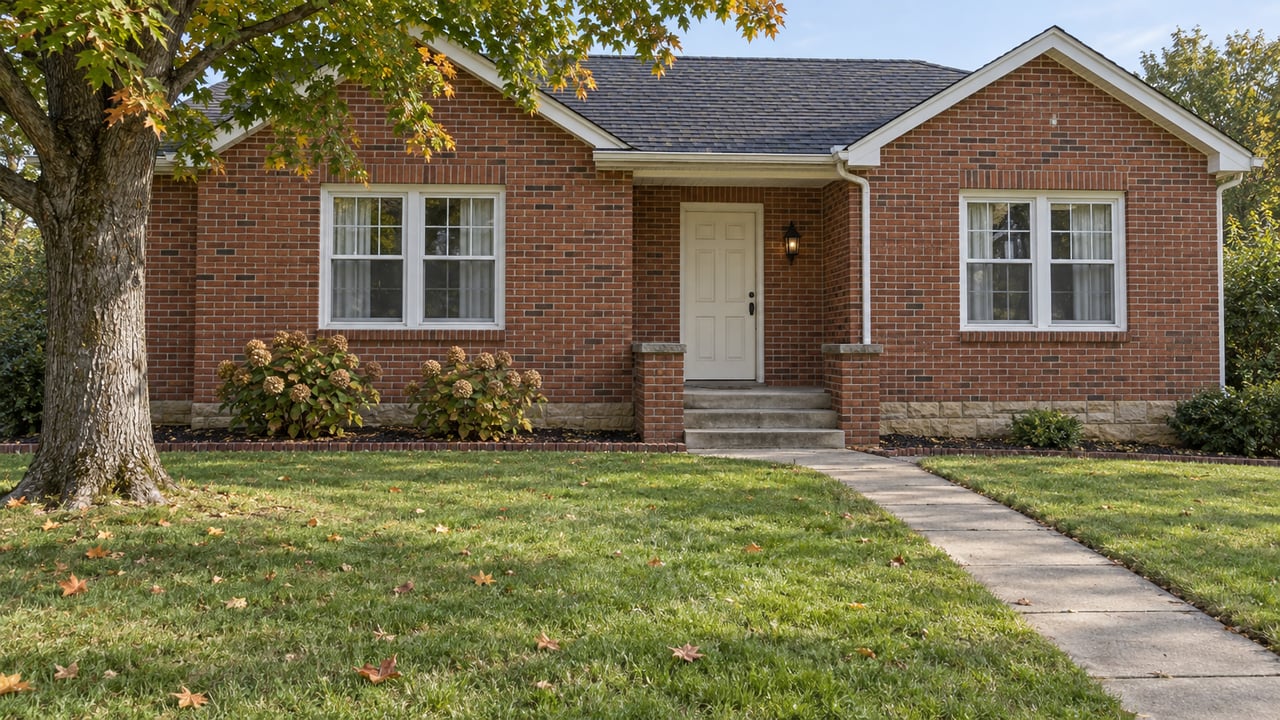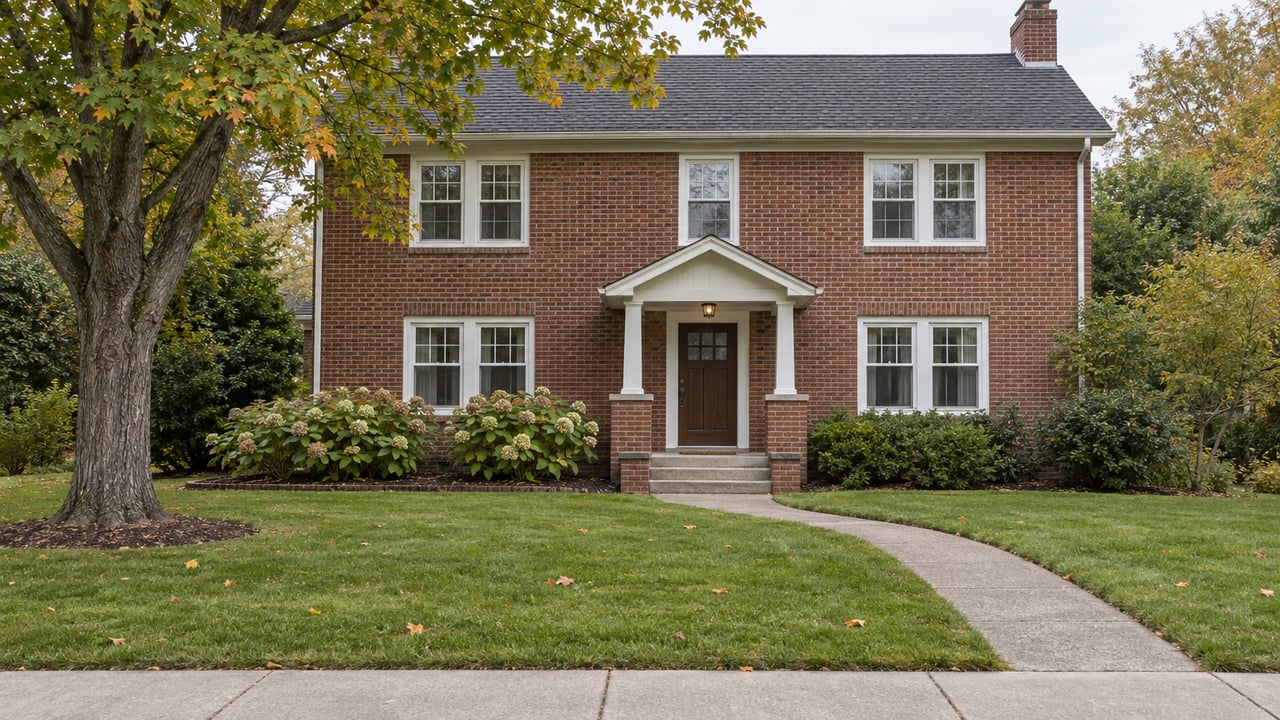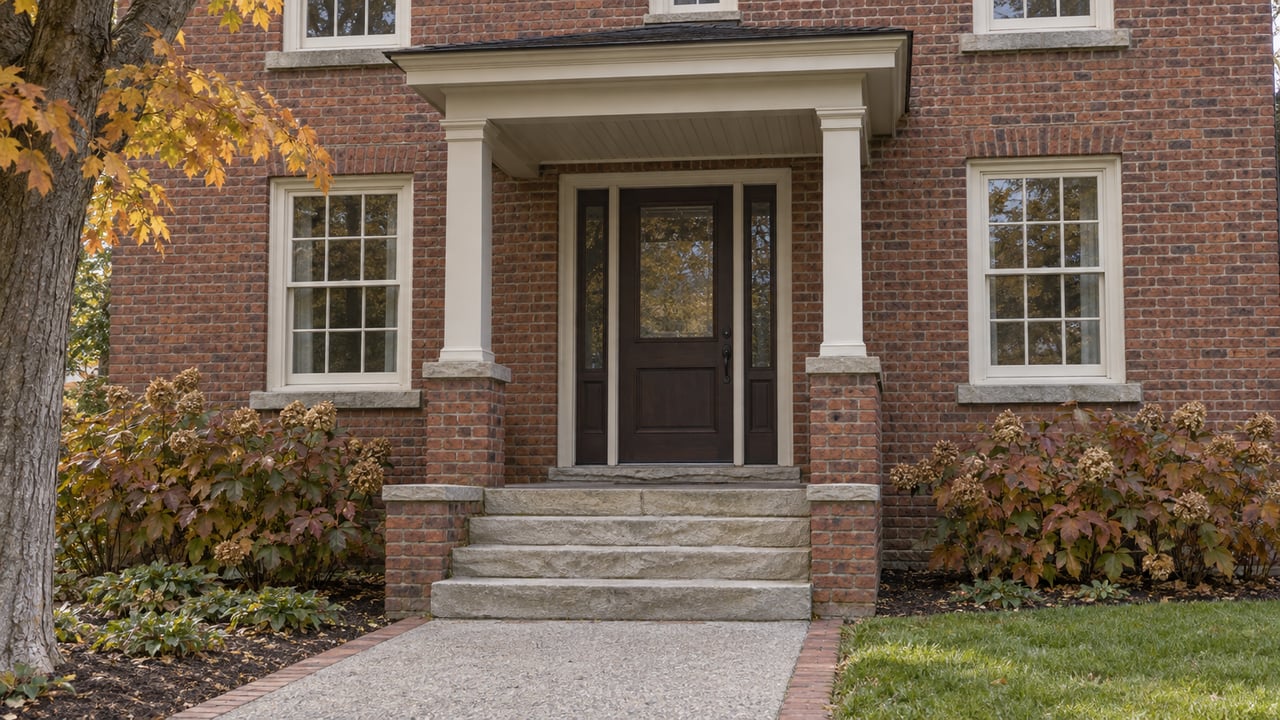
Two houses can sit on the same East End block in Charleston, be the same age and carry similar list prices. Under the renewal plan now before City Council, they would still be treated differently, depending on whether the owner lives in the house.
That distinction runs through three separate rulebooks that touch East End property. One is the draft East End Community Renewal Plan. One is the tax credit system for historic homes. The third is design review, where the district boundary decides most of the outcome and occupancy decides the rest. For a buyer comparing the East End with South Hills or Kanawha City, it's the variable worth settling before anything else.
The Sentence in Section 7.3
The Charleston Urban Renewal Authority, known as CURA, drafted the plan, and Bill 8096 would adopt it. Councilwoman Mary Beth Hoover sponsors the bill. It was introduced at the October 5, 2026 council meeting and sent to the Urban Renewal and Economic Development Committee. The referral is the latest recorded action, so the plan is still a proposal. Anyone following it can check the city's CivicClerk portal for committee action. If adopted, it would stay in effect until December 31, 2046.
The draft plan, dated September 10, 2026, is posted with Bill 8096 on the city's CivicClerk council portal. Its land acquisition section reads:
CURA will not acquire owner-occupied residential private property through the use of eminent domain. In limited circumstances, eminent domain may be considered as a last resort for non-owner occupied residential properties and only in accordance with the applicable provisions of the West Virginia Code.
The plan adds that CURA "will seek public input" before using that authority. The draft also says it doesn't identify any specific parcels for acquisition or demolition and doesn't expect families to be relocated. It adds that those actions "are not precluded, but not initially anticipated."
The wording ties the protection to how a home is occupied, not to who holds the deed. Someone who buys a house to live in and someone who buys the house next door to rent out would stand on opposite sides of that sentence.
Most of the District Sits on the Other Side of the Line
That sentence matters more because of who lives in the district. The proposed area covers about 46 acres along Washington Street East, plus the LIFT Center site at the end of Ruffner Avenue. Of its 204 parcels, 38 are vacant, about 18.6%. The plan's own market analysis, which uses 2025 estimates from the U.S. Census Bureau, ESRI and GAI Consultants, compares the district with the city as a whole:
| 2025 estimates | City of Charleston | CURA East End District |
|---|---|---|
| Total housing units | 25,514 | 265 |
| Owner-occupied households | 56% | 28% |
| Renter-occupied households | 44% | 72% |
| Housing unit vacancy rate | 15.4% | 21.2% |
| Estimated median home value | $232,462 | $314,706 |
Read this way, the eminent-domain protection covers a little over a quarter of the district's occupied homes. The roughly seven in ten that are rented fall under the "last resort" language.
The price row doesn't tell a clean story either. An estimated median above the city's, in a district with a higher vacancy rate, reflects a modeled value across only 265 housing units. It isn't a record of what homes actually sold for. For a current citywide reading, the Charleston Gazette-Mail's October 2026 quarterly market report put Charleston's median list price at $179,900 in August 2026, up 5.9% year over year. The same report counted 90 city sales in the month before publication. A local Realtor quoted there put recent average time on market at 28 days. A modeled value in a district this small says little about any one East End house. How the house will be used says a lot.
The Same Line Decides Which Tax Credit Applies
The draft's financing section describes the federal historic tax credits: 10% for substantial rehabilitation of income-producing buildings over 40 years old, and 20% for income-producing buildings over 50 that are listed on or eligible for the National Register. It suggests that several property owners could apply together to share the legal and accounting costs. Those credits are written for buildings that earn income, which means rentals and commercial space.
Owner-occupants have a separate program. West Virginia Code §11-21-8g provides a state income tax credit of 20% of eligible rehabilitation expenses on a residence. It excludes income-producing property and property that can be depreciated. According to the State Historic Preservation Office, the program works like this:
- The applicant has to live in the building, and the building should generally not produce income.
- The building has to be listed on the National Register. Under the state code, a contributing building in a listed district also qualifies.
- The rehabilitation has to cost at least 20% of the building's assessed value, not counting land, and the work has to happen within a 24-month period whose start date the taxpayer chooses.
- The work has to meet the Secretary of the Interior's Standards for Rehabilitation, and SHPO recommends getting the application approved before work begins. Applications go through SHPO's GOapply portal.
- Credit you can't use in the year it's earned carries forward for up to five years.
Bills that would have restructured West Virginia's historic credits came up in both of the last two sessions. SB 834 was referred to House Finance on April 3, 2025, and HB 4858 was referred there on January 28, 2026. Neither moved past that point, so the 20% residential credit is still the one in the code.
The renewal plan states its own goal as conserving and restoring existing structures "to the maximum extent possible." A buyer planning a serious restoration of a home they'll live in would be working under a different credit from the one the plan describes.
Where Design Review Follows the House, and Where It Doesn't
National Register listing doesn't restrict what a private owner does with a property, on its own. SHPO says owners only have to follow rehabilitation guidelines when they use public funds or a tax credit. That gives the tax credit decision a second effect. Claiming the residential credit brings the Secretary of the Interior's Standards with it, even on a house outside any local review area.
Local review is a separate layer, and it follows a boundary. Charleston has two National Register listings for the area, the East End Historic District and the East End Historic District Expansion. According to the city's historic preservation page, only properties in the original district go through design review by the Charleston Historic Landmarks Commission. The city's East End design guidelines say the National Register district was expanded north to Dixie Street in 2014, and the expansion isn't subject to that review.
Inside the original district, these exterior projects count as major work that needs a Certificate of Appropriateness:
- Roof replacement
- Replacing windows or doors on the primary façade
- Changes to character-defining features
- Demolition
- New construction
The commission also considers requests to delay demolition of contributing structures. Under the East End design guidelines, demolition can be delayed for 90 days if the commission decides after a public hearing that a delay is warranted, and the commission can also waive that delay. For a buyer pricing out a new roof or replacement windows, the side of the line a house sits on shapes both the timeline and the materials.
What the Plan Would Spend On
None of this points to a plan built around taking property. The draft focuses mostly on the streetscape: corridor lighting, street furniture, replacing street trees, public art, safer key streets and intersections, and sidewalk repair where sidewalks are in poor condition. It also names a catalytic infill opportunity at 1601 Washington St. E. The draft gives no price tag beyond calling the cost "many millions of dollars." The Gazette-Mail reported that the plan looks to tax credits and private investment to pay for it. When council first authorized the effort in July, Councilman Larry Moore told the Gazette-Mail the goal was to "get that neighborhood back to its shine."
Some of the corridor's newer anchors are already open or nearly finished. Food in Town, a 24/7 bodega-style grocery with hot food at 1500 Washington St. E., was up and running by March 2026, according to WV Food Guy. At the end of Ruffner Avenue, WV MetroNews reported in August that the $20 million, 55,000-square-foot LIFT Center, on an eight-acre site bordered by Ruffner Avenue and Dixie Street, was expected to be finished in November. The center hadn't signed a tenant as of that report.
Questions to Settle Before Making an Offer
- Will you live there? Owner-occupancy decides which side of the plan's eminent-domain language a home falls on, and whether the state residential credit or the federal income-producing credits apply.
- Is the parcel inside the proposed renewal district? The legal description starts at Washington Street and Sidney Avenue and runs along streets that include Elizabeth, Ruffner, Shelton, Dixie and others.
- Original district or the 2014 expansion? That answer decides whether exterior projects need a Certificate of Appropriateness.
- Is the house a contributing building? Under the state code, that's the gateway to the residential credit for a home in a listed district.
- What's the assessed building value? The 20% spending threshold is calculated from it, not from your purchase price.
This post is general information, not legal, tax or financial advice. Confirm your own situation with SHPO, the Charleston Historic Landmarks Commission, a tax professional or an attorney before you rely on any of these rules.
If you already own on the East End and want to know how Bill 8096 and your home's historic status might affect a sale, Impact Realty Group can walk through it with you. Start with a free home valuation, and we'll account for the district lines along with the comps.