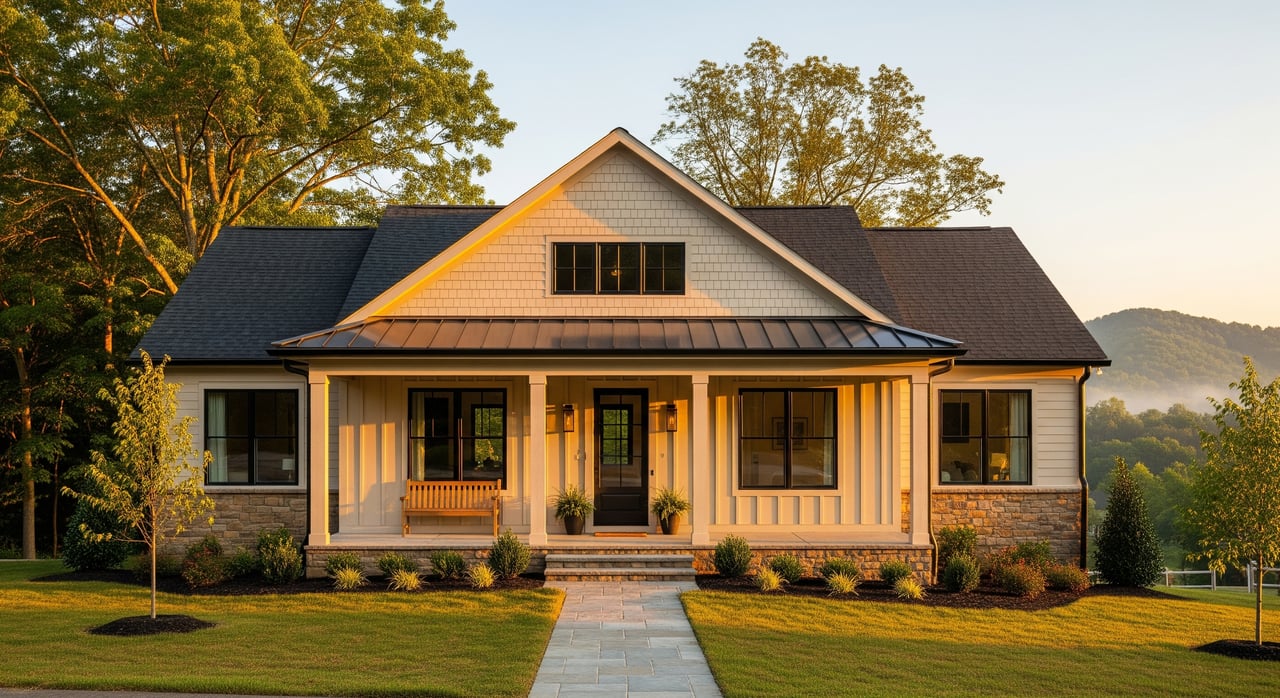
Thinking about buying your first home in Hurricane? Between older houses, commute choices, and financing options, it can feel like a lot to sort out. This guide breaks down what counts as a starter home in Hurricane, how to budget and finance smartly, what tradeoffs to consider, and how to write a strong offer without taking on unnecessary risk. Let’s dive in.
What counts as a starter home in Hurricane
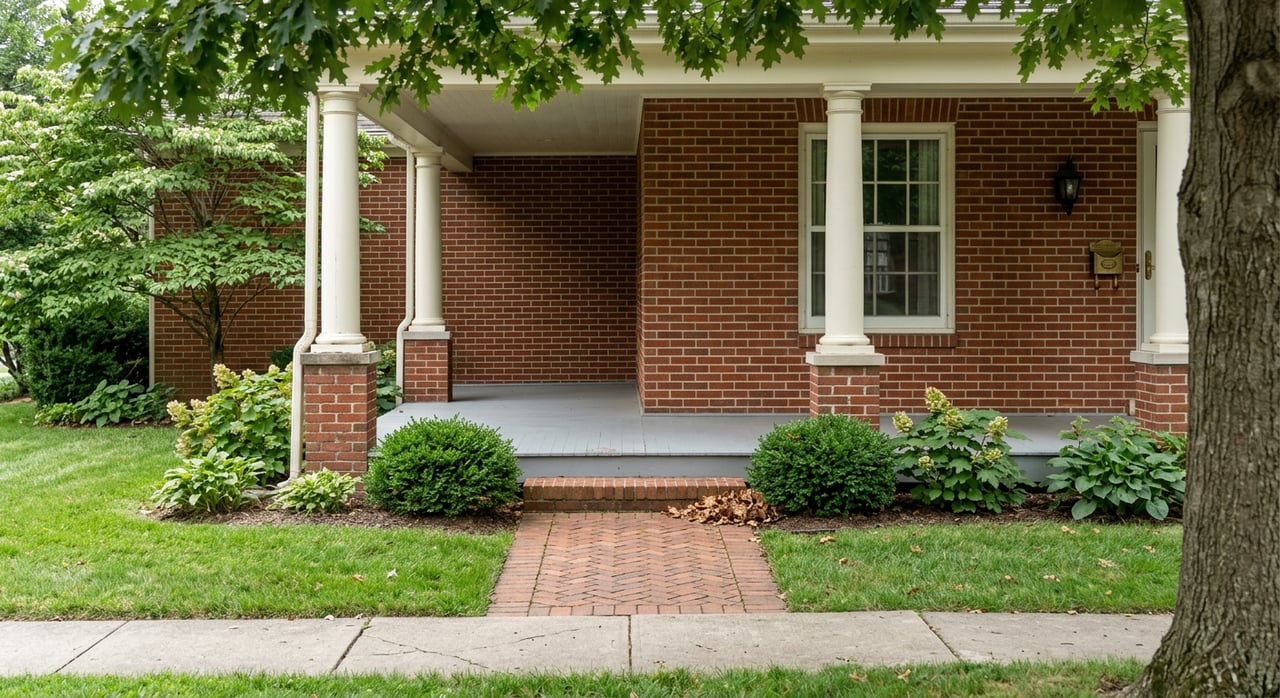
In Hurricane and greater Putnam County, a starter home usually means a modest single-family house with 2 to 3 bedrooms and 1 to 2 bathrooms. You will see plenty of ranch, bungalow, and Cape-style homes, often with basements and driveways or garages. Lot sizes can be larger than in big cities, which appeals to many first-time buyers.
Market pace can shift with the season and with regional hiring. Inventory may feel tight in some months and plentiful in others. Rather than chasing headlines, focus on recent closed sales for homes similar to what you want. Ask your agent to pull the last 6 to 12 months of single-family solds within Hurricane city limits and to show both the median sale price and the lower quartile. That creates a realistic starter-home window for your budget.
Common home types you will see
Small single-family homes
These are the backbone of Hurricane’s starter market. Many have basements that add usable space and improve resale. Prioritize the condition of big-ticket systems: roof, HVAC, water heater, electrical, plumbing, and any signs of moisture in basements or crawlspaces. A modest yard can keep upkeep manageable while giving you outdoor space.
Newer subdivision homes
Since the 1990s, smaller floor plans in neighborhood developments have added more options. These homes can come with tighter lots, sidewalks, and sometimes an HOA. They may offer modern layouts, attached garages, and fewer immediate repairs. Review any HOA rules and fees early so they fit your lifestyle and budget.
Manufactured or mobile homes
Manufactured homes can offer a lower entry price, whether on leased lots or on owned land. Financing and insurance work differently for these properties. If you consider this route, verify whether the home sits on a permanent foundation, check the title and ownership type, and confirm your lender’s requirements. Resale can vary, so discuss the long-term plan with your agent and lender.
Townhomes or attached units
Less common than in big metros, attached options may still appear in certain pockets. They can reduce exterior maintenance and sometimes come at a lower price point. Review association documents, monthly fees, and what exterior elements are covered.
Small acreage or country properties
If you want space and privacy, small acreage can be compelling. The tradeoff is more maintenance and a longer drive to daily amenities. Check whether the property uses well and septic, and budget for periodic septic pumping and inspections. Rural roads can see winter weather impacts, so plan commute times accordingly.
Smart budgeting and financing
Loan options for first-time buyers
- FHA loans. Popular for lower down payment and flexible credit. Expect mortgage insurance and property condition requirements.
- VA loans. A zero-down option for eligible veterans and service members. Requires a VA appraisal and specific eligibility.
- Conventional with PMI. Some programs allow 3 to 5 percent down for well-qualified buyers, with private mortgage insurance.
- USDA Rural Development loans. If the property is in an eligible rural area, USDA can offer low or no down payment. Eligibility is reviewed per property and borrower.
- State and local assistance. Programs may offer down payment help, interest rate reductions, or counseling. Availability changes, so confirm current offerings.
Start by securing a mortgage pre-approval, not just a prequalification. A strong pre-approval letter with lender contact information shows sellers you are serious and helps you set a confident budget.
Costs beyond the purchase price
- Property taxes. Review the current rate and estimate based on the property’s assessed value.
- Homeowner’s insurance and PMI. Get quotes early and compare coverage levels. If you use a low-down-payment loan, factor in PMI.
- Utilities and fuel type. Oil or propane systems can change monthly costs. Ask about average utility bills when you tour.
- Maintenance reserves. Older homes often need roof, HVAC, or appliance updates on a normal cycle. Build reserves into your budget.
- Flood insurance. Check FEMA flood maps and local floodplain designations. If a home sits in a mapped flood zone, you may need a separate policy.
- Septic and well. If not on municipal services, plan for septic inspections, pumping, and water testing.
Documents to gather early
- Pre-approval letter showing your maximum approved purchase amount.
- Proof of funds for earnest money and closing costs.
- Eligibility documents for any special programs, such as a VA Certificate of Eligibility.
Commute, schools, and lifestyle tradeoffs
Commute and transportation
Hurricane sits along I-64 between the Charleston area and western suburbs. Most residents commute by car. Access to I-64 on-ramps and typical peak-hour congestion matter if you drive to Charleston or nearby employment hubs. In winter, rural roads can be slower and may require more cautious driving.
If you telecommute, verify internet options and speeds at the address. Cable or fiber availability can vary by street, so call providers before you write an offer.
Schools and programs
Homes in Hurricane are served by Putnam County Schools. School assignments and program offerings can influence demand and resale. For the most current information, review district assignment resources and state report cards. Parent-focused websites can provide additional context, but always confirm assignments directly with official sources.
Amenities and utilities
Daily shopping and services often center around Teays Valley and Hurricane’s local retail corridors. Proximity to grocery stores, healthcare, and downtown conveniences can reduce your drive time. Outdoor recreation, river access, and parks add to quality of life. Confirm whether a home is on city water and sewer or uses well and septic, and ask about trash pickup and broadband availability for the specific street.
How to search smarter
Use focused searches that match your budget and lifestyle. If you use an IDX-powered search on a brokerage site, try the presets below. You can save these searches and set alerts so new listings arrive in your inbox.
Hurricane Starter Homes — Budget Search
- Property types: Single-family, Manufactured, Townhome.
- Price: Set boundaries using the lower quartile to median of recent closed sales for 2 to 3 bedroom homes in Hurricane.
- Beds/Baths: 2–3 beds, 1–2 baths.
- Lot size: Any, or up to 0.5 acre for lower maintenance.
- Keywords: “finished basement” or “garage.”
- Sort: Newest listings or Price low to high.
Who it’s for: Budget-minded buyers who want options without major projects.
Move-in Ready — No Major Rehab
- Condition keywords: “updated,” “renovated,” “move-in ready.”
- Beds/Baths: 2–3 beds, 1–2 baths.
- Price: Same starter window as above.
Who it’s for: Buyers with limited time or renovation appetite who want to focus on newer systems and recent updates.
Commuter-friendly — Near I-64
- Location: Draw a polygon or set a radius around Hurricane-area I-64 exits.
- Beds/Baths: 2–3 beds, 1–2 baths.
- Price: Starter window.
Who it’s for: Buyers prioritizing quick interstate access for daily commutes.
How to save and get alerts: After you set filters, save the search, name it (for example, “Hurricane Starter — With Garage”), and enable email or text alerts. Check on both desktop and mobile so you can act quickly when a match appears.
How to craft a competitive offer
Prepare before you tour
- Get a strong pre-approval. Include lender contact information so the listing agent can verify quickly.
- Show funds for closing. Have proof of funds ready for earnest money and closing costs.
- Present a clean package. Your agent should attach the pre-approval and a concise cover email that highlights your qualifications and timeline.
Contract terms that can win the house
- Price. A higher price can help, but weigh appraisal risk. Discuss whether an escalation clause or a limited appraisal-gap commitment makes sense.
- Earnest money. A larger deposit, within reason, signals serious intent and can make your offer stand out.
- Inspection window. Instead of waiving inspection, consider a shorter window, such as 5 to 7 business days, to protect yourself while staying attractive.
- Appraisal contingency. Waiving can be risky unless you can cover a shortfall. If you keep it, clarify your plan if the appraisal comes in low.
- Closing timeline. Offer the seller’s preferred date. Flexibility, including a short rent-back if needed, can be a differentiator.
- Escalation clause. Useful in multiple-offer situations, but set a clear cap to avoid overpaying.
Inspection and condition clauses
- Target major issues. Reserve the right to evaluate termite and pest, structural, roof, HVAC, electrical, plumbing, and moisture concerns.
- Use a repair cap. Capping seller repairs can make your offer more predictable for the seller while letting you cancel for serious defects.
Local negotiation norms
In smaller markets like Hurricane, clear communication and agent reputation matter. A well-organized offer and prompt responses can shape seller confidence. Ask your agent to pull current days-on-market for similar homes and to share what they are seeing with multiple offers, escalation, and typical earnest money amounts so you can calibrate how aggressive to be.
Bringing it all together
Buying a starter home in Hurricane is about fit: the right home type, a budget aligned with recent local sales, and offer terms that balance strength with protection. If you keep your pre-approval current, focus on condition and commute priorities, and move quickly on fresh listings, you will be ready when the right house appears.
If you are ready to start or want help setting up smart searches and touring homes, connect with the local team at Impact Realty Group. We pair neighborhood expertise with modern tools so you can buy with confidence in Hurricane and across Putnam County.
FAQs
What is a realistic starter-home price in Hurricane?
- Ask your agent to pull 6 to 12 months of single-family solds for 2 to 3 bedroom homes within Hurricane city limits. Use the lower quartile to median sale price as a typical starter range and note the date of the data.
Which loans work best for first-time buyers in Hurricane?
- FHA, VA for eligible veterans, conventional loans with PMI, USDA Rural Development if the property is eligible, and state or local assistance programs. A lender familiar with Putnam County can help match the right option.
Is commuting to Charleston practical from Hurricane?
- Yes. Many residents drive via I-64. Check live traffic patterns and any construction advisories, and account for winter weather. If you telework, verify internet providers and speeds for the exact address.
Are manufactured homes a good starter choice?
- They can be affordable, but financing and resale vary. Verify permanent foundation status, title type, and lender acceptance. Review long-term plans for the land and the home before you offer.
How competitive are offers right now?
- It depends on current inventory and days on market. If multiple offers are common, consider stronger terms like a cleaner inspection window, larger earnest money, or an escalation clause with a firm cap. Always balance competitiveness with your risk tolerance.